
How to Reduce Energy Bills: 7 Practical Upgrades for UK Homes
A room-by-room plan for cutting wasted energy, improving comfort and choosing the home upgrades that make the biggest difference.
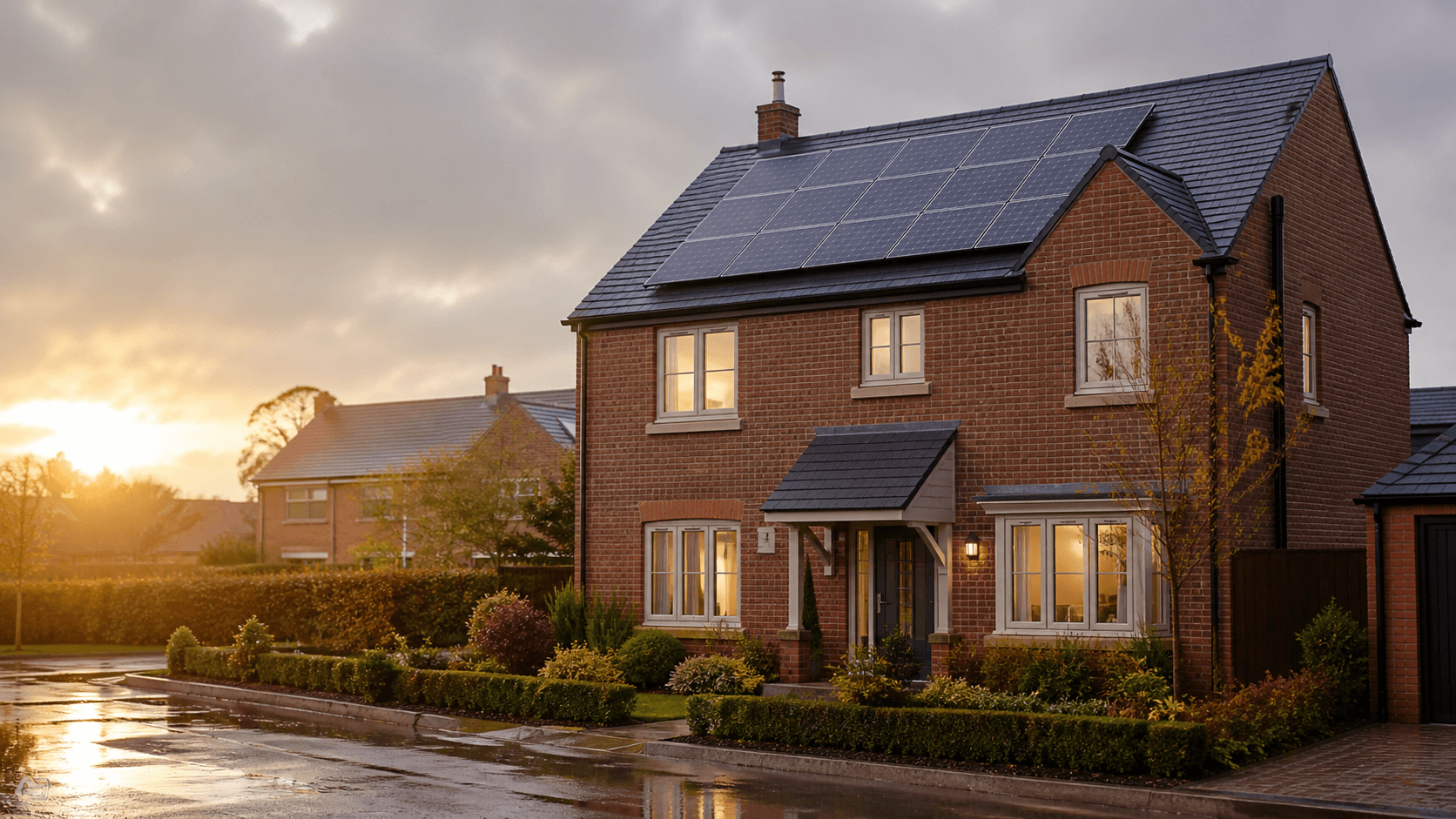
Reducing household energy use does not have to mean living in a colder, darker home. The best improvements prevent heat from escaping, make heating easier to control and help you generate more of the energy you use.
Start with the fabric of the building, then look at heating and renewable technology. This order helps avoid paying to produce heat that immediately escapes through the roof, walls or gaps around doors and windows.
1. Begin with a home energy assessment
A useful assessment looks at insulation levels, ventilation, glazing, heating controls, hot-water use and your recent energy consumption. It turns a broad goal such as “lower bills” into a practical sequence of improvements.
Bring recent bills and note which rooms feel cold or slow to warm. A professional survey can also identify issues such as damp, unsuitable existing materials or access constraints that should be resolved before installation begins.
2. Stop heat escaping through the loft
Warm air rises, so an under-insulated loft can be a major route for heat loss. Correctly fitted loft insulation creates a continuous thermal layer while maintaining the ventilation the roof structure needs.
Existing insulation should be checked for gaps, compression, moisture and contamination. If the loft is used for storage, raised boarding can protect the insulation instead of squashing it and reducing its performance.
- Check the loft hatch is insulated and sealed.
- Avoid placing boxes directly on insulation.
- Keep eaves ventilation clear.
- Ask for safe treatment around cables, lights and tanks.
3. Tackle draughts without blocking ventilation
Uncontrolled gaps around windows, doors, floorboards and service penetrations can make rooms uncomfortable. Draught-proofing these areas is different from sealing intentional ventilation such as air bricks or extractor routes.
Simple measures include door seals, letterbox brushes, chimney draught excluders for unused open fireplaces and properly sealed loft hatches. Ventilation should remain adequate, especially in kitchens, bathrooms and rooms with combustion appliances.
4. Make heating controls work harder
A programmable thermostat and well-set radiator valves help deliver heat where and when it is needed. Set schedules around real occupancy rather than leaving the heating at one temperature all day.
If rooms heat unevenly, the solution may be system balancing, maintenance or improving insulation rather than simply increasing the boiler temperature. Small control changes are most effective when the heating system itself is working correctly.
5. Reduce hot-water waste
Water heating is an important part of household energy use. Repair dripping hot taps, use efficient shower fittings and insulate accessible hot-water pipes. For homes with a cylinder, review the timer so water is heated when it is likely to be used.
Do not alter stored-water temperatures without competent advice, because safe hygiene temperatures and the design of the system matter.
6. Consider solar panels and battery storage
Solar photovoltaic panels generate electricity during daylight. The value of a system depends on roof orientation, shading, usable area, household demand and how much generation can be used on site.
A battery can store surplus solar electricity for later, but it should be sized against realistic consumption rather than selected in isolation. A tailored design should model likely generation, self-consumption and payback assumptions clearly.
7. Plan major heating upgrades around the whole home
Heat pumps can provide efficient low-carbon heating, but good results depend on careful heat-loss calculations, appropriate emitters and suitable controls. Insulation improvements made first may reduce the system size your home needs.
The best energy plan is joined up: building fabric, ventilation, heating and renewables should complement one another. Evergreen Sustainable Energy can assess these elements together and recommend a practical order of work.
Frequently asked questions
What is the quickest way to lower home energy use?
Start by reviewing heating schedules, closing uncontrolled draughts and checking the loft insulation. The right priority depends on the property, so an assessment is the most reliable first step.
Should I install insulation before solar panels?
They solve different problems, but improving the building fabric first often makes sense because it reduces heat demand. Solar can then help meet the home’s remaining electricity needs.
Can one contractor plan several energy upgrades?
Yes. A whole-home approach helps ensure insulation, heating, ventilation and renewable technologies are specified to work together.
Get advice tailored to your home
Our team can assess your property and explain the options clearly, with no obligation.